Manufacturing Luck: A Veteran’s Guide to Networking Like a Pro
Action is the antidote to anxiety when building a professional network in the civilian workforce.
“The primary antidote to this anxiety is action. You cannot think your way out of networking jitters; you have to act your way through them.”
Introduction
When I transitioned from the U.S. Marine Corps and the University of Tennessee into the professional arena, I quickly realized that the civilian workforce didn't have the built-in social cohesion I was used to.
Picture me, a former U.S. Marine, southern boy from East Tennessee, transplanted to the major metro and seat of political power in Washington, D.C., and you get the idea.
Going from the country to the city was an adjustment both in attitude and available living space.

Barrett’s first threadbare desk in D.C. at a crummy apartment circa 2007. (Source: Personal Collection)
In the military or university setting, my network was my unit. In the professional world, your network is your lifeline—and building it can feel like navigating an obstacle course on Parris Island without a Drill Instructor.
READ MORE: Veteran Entrepreneurs: First-Year Survival Guide — Evocati PR
For years, I’ve mentored transitioning service members and entrepreneurs sharing the same timely insight: Luck is not a lightning strike. It's a strategy.
If you want to find success in your post-military career, you have to stop waiting for opportunities and start manufacturing them by expanding your surface area of potential.
Luck is a Matter of Activity
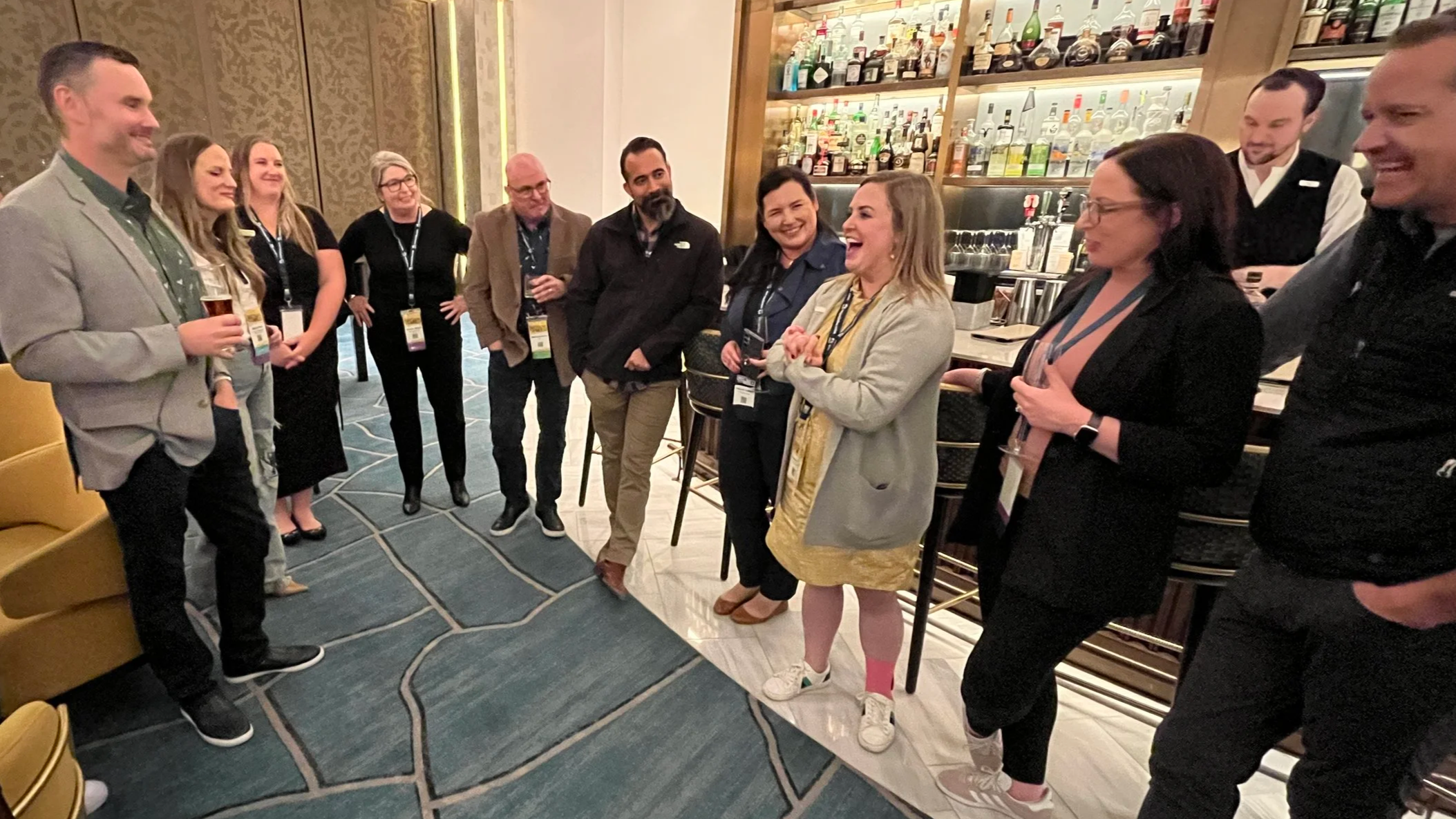
Bush Center alumni with the Veteran Leadership Program attend a reunion during the Military Influencer Conference. (Source: Evocati PR)
Most people view luck as something that happens to them. I view it differently. I believe luck is a matter of expanding your surface area of potential until it becomes a byproduct of your actions.
Think of your professional life as a target. To be lucky, you need to make that target as wide as possible. If you stay in your living room, work from your apartment, or only talk to the same five people, your target is tiny. The odds of a "lucky" opportunity hitting that target are slim.
But when you increase your activity—joining professional associations, attending local meetups, or participating in community groups like a church or a run club—you are physically and digitally expanding that target.
READ MORE: Peer Power: The One Thing Every Veteran Entrepreneur Needs to be Successful — Evocati PR
Activity is the engine of opportunity. Every person you meet and every new thing you learn increases the number of points where "luck" can find you.
The Antidote to Anxiety is Action
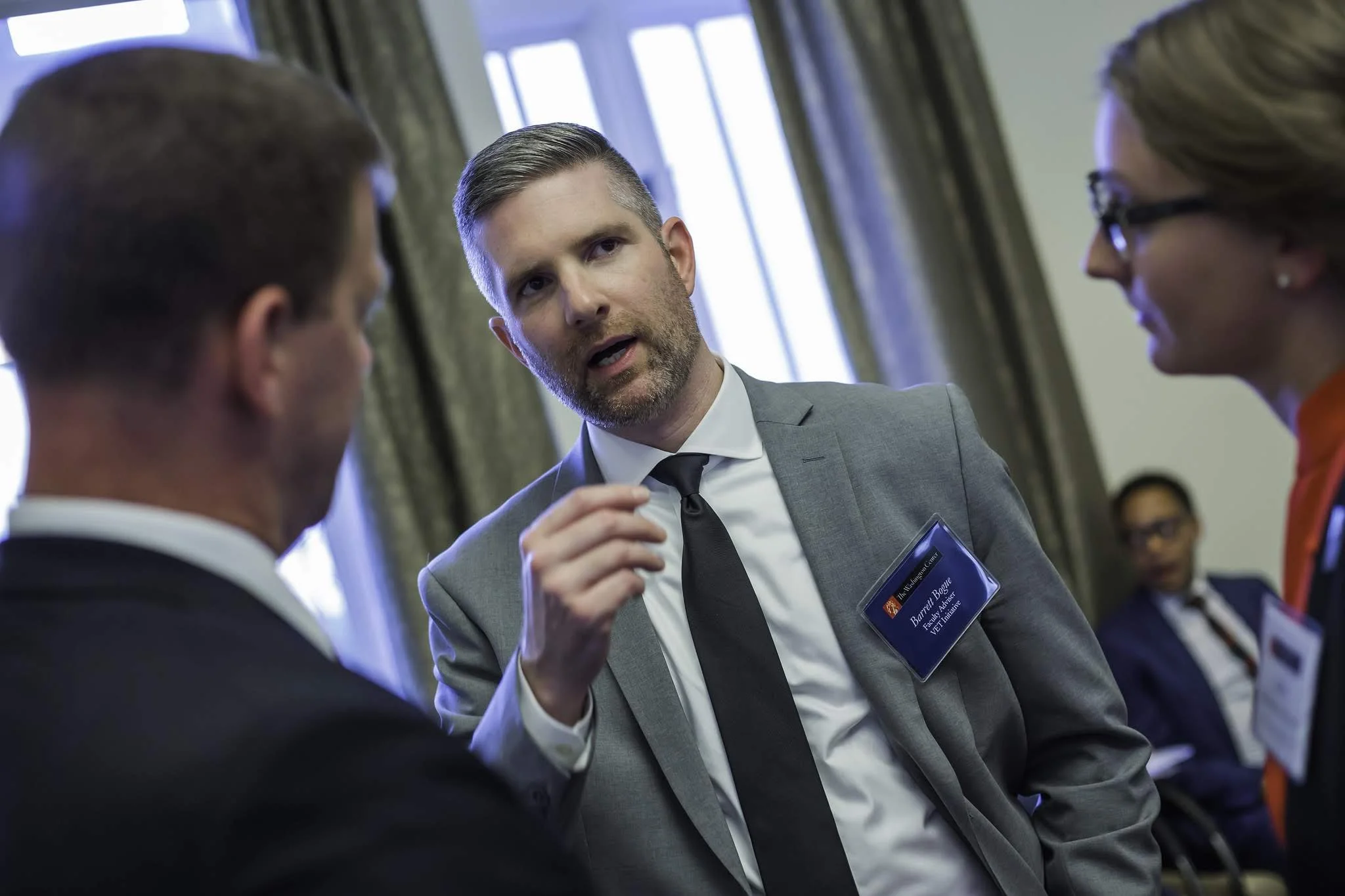
Barrett speaking with attendees at a networking event hosted by The Washington Center. (Source: Evocati PR)
I’ll be the first to admit that networking can be nerve-wracking. Even today, as the President & Founder of Evocati PR, I'm in rooms filled with high-profile investors or industry giants where I feel like the smallest person.
Social unease is a normal challenge, especially in an era of remote work where our face-to-face "muscles" have atrophied.
The primary antidote to this anxiety is action. You cannot think your way out of networking jitters; you have to act your way through them.
Treat every event as a data point. The more you show up, the more routine these interactions become. Don’t wait until you are "ready" or until your resume is perfect. The time to expand your surface area is now.
Using the "Disney Strategy" to Break the Ice
One of the hardest parts of networking is walking into a room where you don’t know anyone. When I find myself in that position, I use what I call the "Disney Strategy."
Just like characters at Disney World are trained to find a common element to connect with a child—like a specific T-shirt or a toy—you should look for external cues to initiate a conversation.
Look for Cues: Is someone wearing a pin for an organization like TAPS or Stars & Stripes? Do they have a unique watch or a pair of glasses?
Ask Open-Ended Questions: Instead of a rehearsed pitch, ask, "How did you get involved with this organization?" or "What brings you to this event tonight?"
Provide Value First: Your goal isn't to take; it's to give. Sometimes the most valuable thing you can offer is a genuine connection or a follow-up.
Stop Hunting and Start Cultivating
Transitioning service members often feel the pressure to "close the deal" during a networking event. They want the job offer or the contract right then and there. This is a mistake.
Instead, go into these networking events with the goal to provide value in every conversation.
Networking is not about hunting; it is about cultivating. You are planting seeds. The goal of a networking event isn't to sign a client or land a job; it's to earn a follow-up.
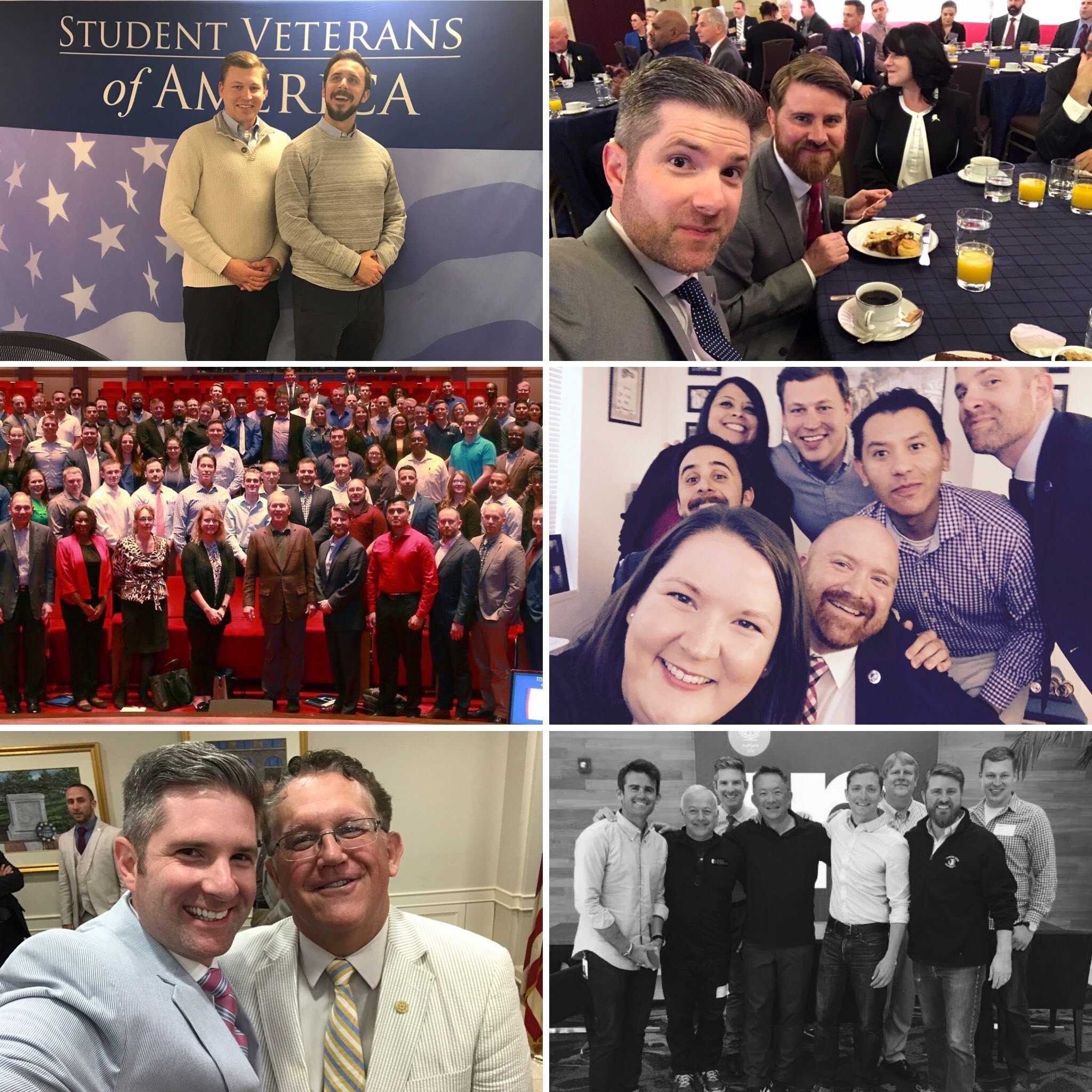
Collage: all the amazing people, places, and events Barrett cultivated during his tenure at Student Veterans of America, 2016 - 2018. (Source: Personal Collection)
If you have a great conversation, end it by suggesting a LinkedIn connection. That evening, send a personalized request and offer a brief discovery call for the following week.
The determination of whether you are a "fit" for a role or a partnership happens during that follow-up call, not over appetizers in a crowded room.
DISCOVER MORE: From Marine to PR Innovator: Barrett Y. Bogue's Mission to Empower Communities — Evocati PR
By moving away from an achievement-driven mindset and towards a values-based approach, you can turn networking from a source of stress into a powerful tool for your civilian career.
Start expanding your surface area today, and you’ll be surprised at how much "luckier" you become. If this article resonated with you, send me a request to connect on LinkedIn and let me know how!
More from Evocati PR…